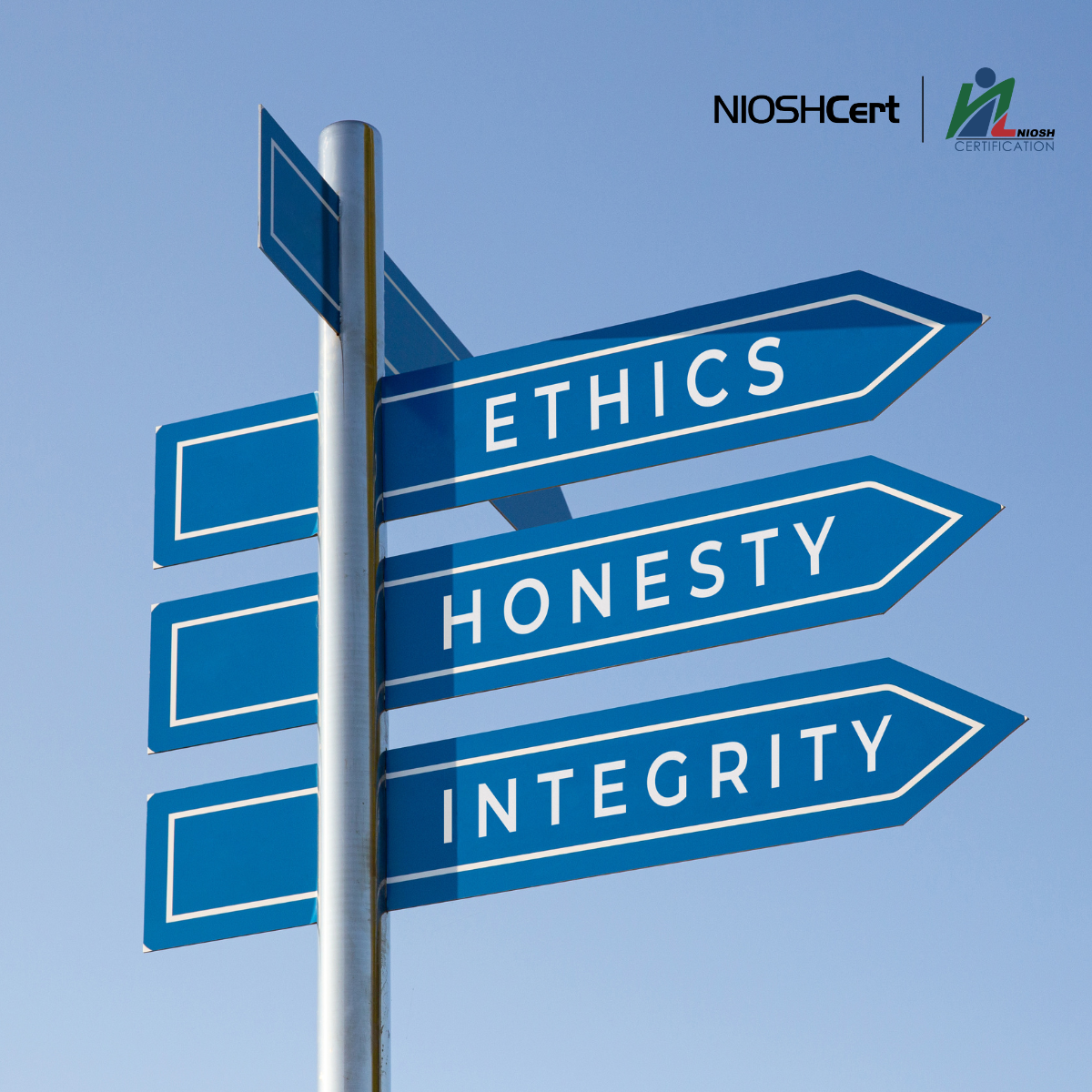
Bandar Baru Bangi, June 2026 – As sustainability and Environmental, Social and Governance (ESG) principles continue to reshape the business landscape, organizations are increasingly expected to demonstrate not only operational excellence but also strong ethical conduct, transparency, and accountability.
While environmental initiatives often receive significant attention, effective governance remains the foundation of sustainable business performance. Organizations that embed integrity into their operations are better positioned to manage risks, strengthen stakeholder confidence, and create long-term value.
In Malaysia’s construction industry, where organizations work closely with government agencies, contractors, consultants, suppliers, and various stakeholders, strong governance practices are essential to ensuring fair competition, responsible procurement, and sustainable growth.
Recognizing the importance of integrity in public procurement and project delivery, the Construction Industry Development Board Malaysia (CIDB) recently announced a significant update to the requirements for the Sijil Perolehan Kerja Kerajaan (SPKK).
Effective January 2027, all Grade G7 contractors applying for new registrations or renewals of SPKK will be required to obtain certification for the Anti-Bribery Management System (ABMS) MS ISO 37001.
This requirement reflects a broader national and global movement towards stronger governance, anticorruption measures, ESG accountability, and responsible business practices.
Why Governance Matters in Sustainability and ESG
Sustainability is no longer limited to environmental protection. Investors, regulators, customers, financial institutions, and business partners increasingly evaluate organizations based on their ESG performance, including how effectively they manage governance-related risks.
Strong governance helps organizations:
- Promote ethical business conduct.
- Enhance transparency and accountability.
- Strengthen stakeholder trust.
- Improve decision-making processes.
- Reduce operational and reputational risks.
- Support responsible supply chain management.
- Ensure compliance with legal and regulatory requirements.
Organizations that fail to manage bribery and corruption risks may face financial losses, legal consequences, project disruptions, reputational damage, and loss of stakeholder confidence.
As a result, integrity and anti-bribery management have become critical components of sustainable business success and long-term organizational resilience.
What is ISO 37001?
ISO 37001 is the internationally recognized standard for Anti-Bribery Management Systems (ABMS). It provides organizations with a structured framework to prevent, detect, manage, and respond to bribery risks.
The standard supports the development of policies, procedures, controls, reporting mechanisms, and monitoring processes that promote ethical decision-making and responsible business conduct.
Applicable to organizations of all sizes and sectors, ISO 37001 enables businesses to integrate antibribery controls into daily operations while fostering a culture of integrity throughout the organization.
While no management system can completely eliminate bribery risk, ISO 37001 demonstrates that an organization has implemented reasonable and proportionate measures to identify and manage such risks effectively.
Supporting the Governance Pillar of ESG
ISO 37001 directly contributes to the Governance (G) component of ESG by helping organizations strengthen oversight, accountability, transparency, and ethical conduct.
The standard supports organizations in:
- Identifying and assessing bribery-related risks.
- Establishing effective anti-bribery policies and controls.
- Improving transparency in business transactions.
- Strengthening leadership accountability and governance.
- Enhancing employee awareness and ethical behaviour.
- Managing third-party and supply chain integrity risks.
- Supporting whistleblowing and reporting mechanisms.
- Demonstrating commitment to responsible business practices.
- Building stakeholder confidence and trust.
By embedding integrity into business processes, organizations can establish a stronger governance framework that supports sustainable growth, ESG objectives, and long-term business performance.
CIDB’s New Requirement for G7 Contractors
As part of the latest SPKK requirements, CIDB has made ISO 37001 certification mandatory for all Grade G7 contractors seeking new registrations or renewals.
The requirement will take effect from January 2027, providing organizations with an opportunity to strengthen internal controls, develop anti-bribery management systems, and obtain certification before implementation.
This initiative aligns with the government’s commitment to improving governance standards, enhancing transparency in public procurement, and promoting responsible business practices within the construction sector.
Benefits of ISO 37001 Certification
Stronger Governance and Risk Management
ISO 37001 helps organizations establish systematic controls to identify, prevent, and manage bribery risks while supporting compliance with applicable laws and regulations.
Enhanced ESG Performance
Certification demonstrates a commitment to responsible governance practices and supports ESGobjectives by promoting ethical conduct, accountability, and transparency.
Increased Stakeholder Confidence
Organizations with certified anti-bribery management systems are often viewed more favourably by clients, regulators, investors, procurement agencies, financial institutions, and business partners.
Improved Corporate Reputation
Strong governance practices help protect organizational reputation and reinforce credibility in an increasingly transparent business environment.
Responsible Supply Chain Management
ISO 37001 encourages organizations to assess and manage integrity risks throughout their supply chains, supporting responsible procurement and sustainable business relationships.
Competitive Advantage
As governance expectations continue to evolve, certified organizations are better positioned to meet procurement requirements, attract business opportunities, and demonstrate ESG readiness.
Sustainable Business Growth
Ethical business practices help reduce operational risks, strengthen resilience, protect organizational value, and support long-term sustainability goals.
Preparing for the Future
The introduction of ISO 37001 certification for G7 contractors represents an important milestone in strengthening governance and integrity across Malaysia’s construction industry.
Organizations that begin preparations early will be better positioned to establish effective anti-bribery controls, strengthen governance practices, enhance ESG performance, and achieve certification before the January 2027 implementation deadline.
More importantly, organizations that embrace integrity as a strategic business priority will be able to build trust, strengthen stakeholder relationships, improve competitiveness, and create sustainable value in an increasingly accountable and sustainability-focused business environment.
Partner with NIOSHCert
NIOSHCert supports organizations in strengthening governance, integrity, and ESG performance through ISO 37001 certification and professional training programmes.
Our ISO 37001 services include:
- Awareness Training
- Interpretation & Implementation Training
- Internal Auditor Training
- Lead Auditor Training
- Certification Services
We help organizations develop effective anti-bribery management systems aligned with international best practices while supporting their governance and sustainability objectives.
Take the Next Step Towards Sustainable Governance Excellence
ISO 37001 provides a globally recognized framework for strengthening governance, managing bribery risks, enhancing ESG performance, and building stakeholder confidence.
Partner with NIOSHCert today to prepare your organization for the future and transform integrity into a sustainable competitive advantage.
For more information about ISO 37001 Certification and Training, contact NIOSHCert today.